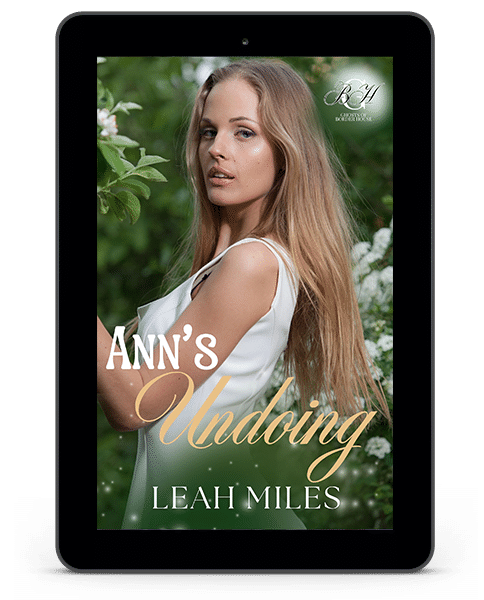
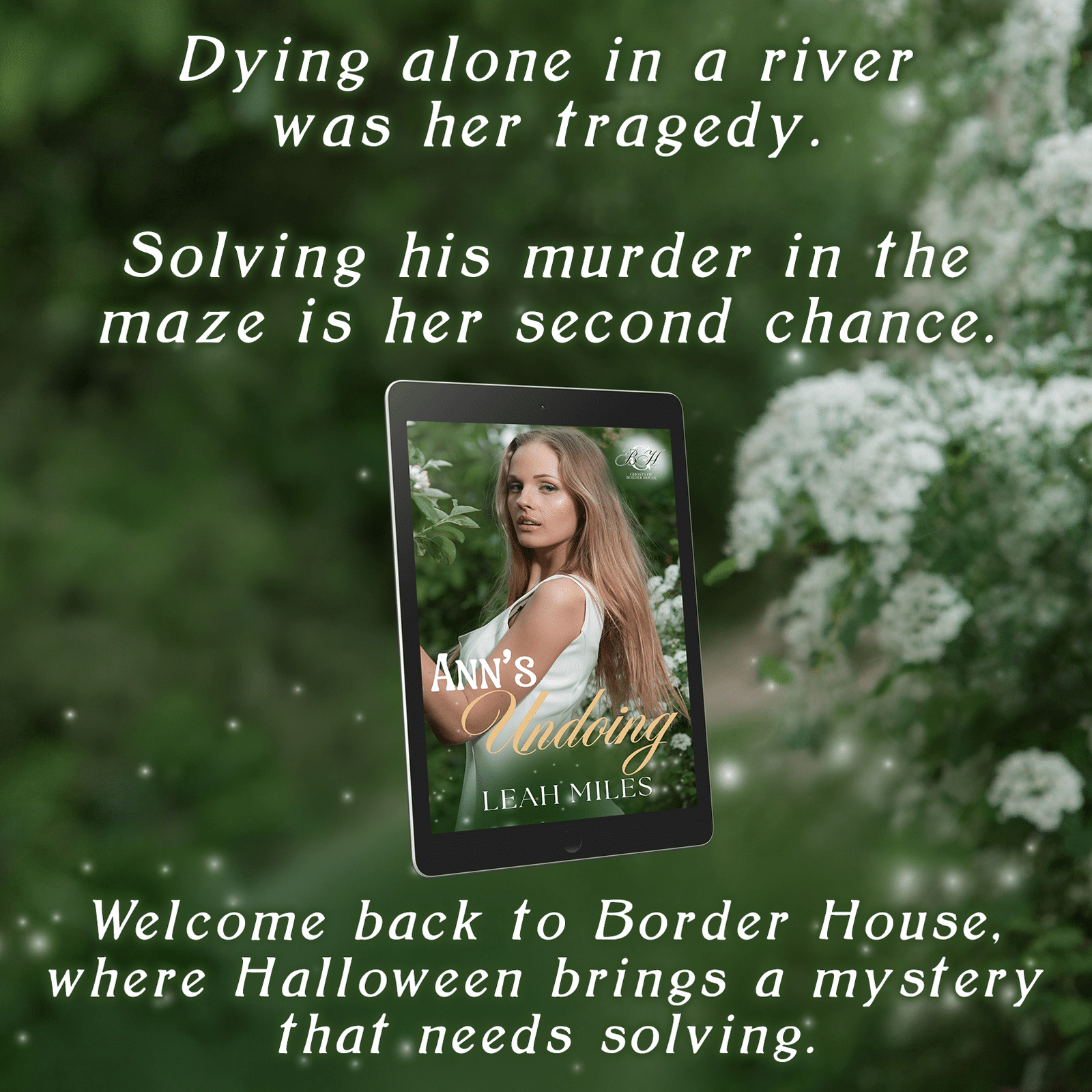
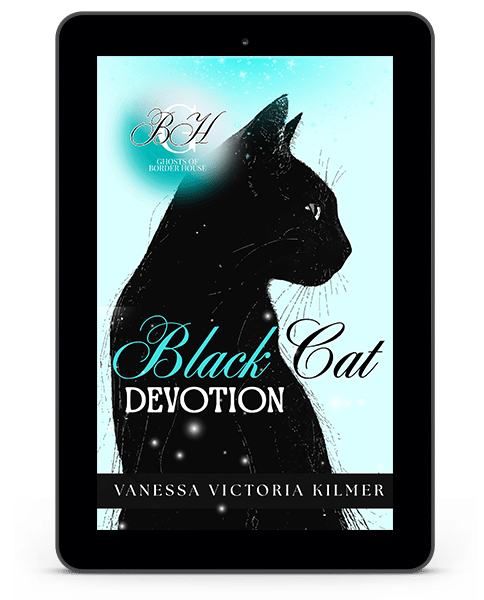
Ann’s Undoing
Ghosts of Border House Book 4
by Leah Miles
Genre: Paranormal Ghost Romance

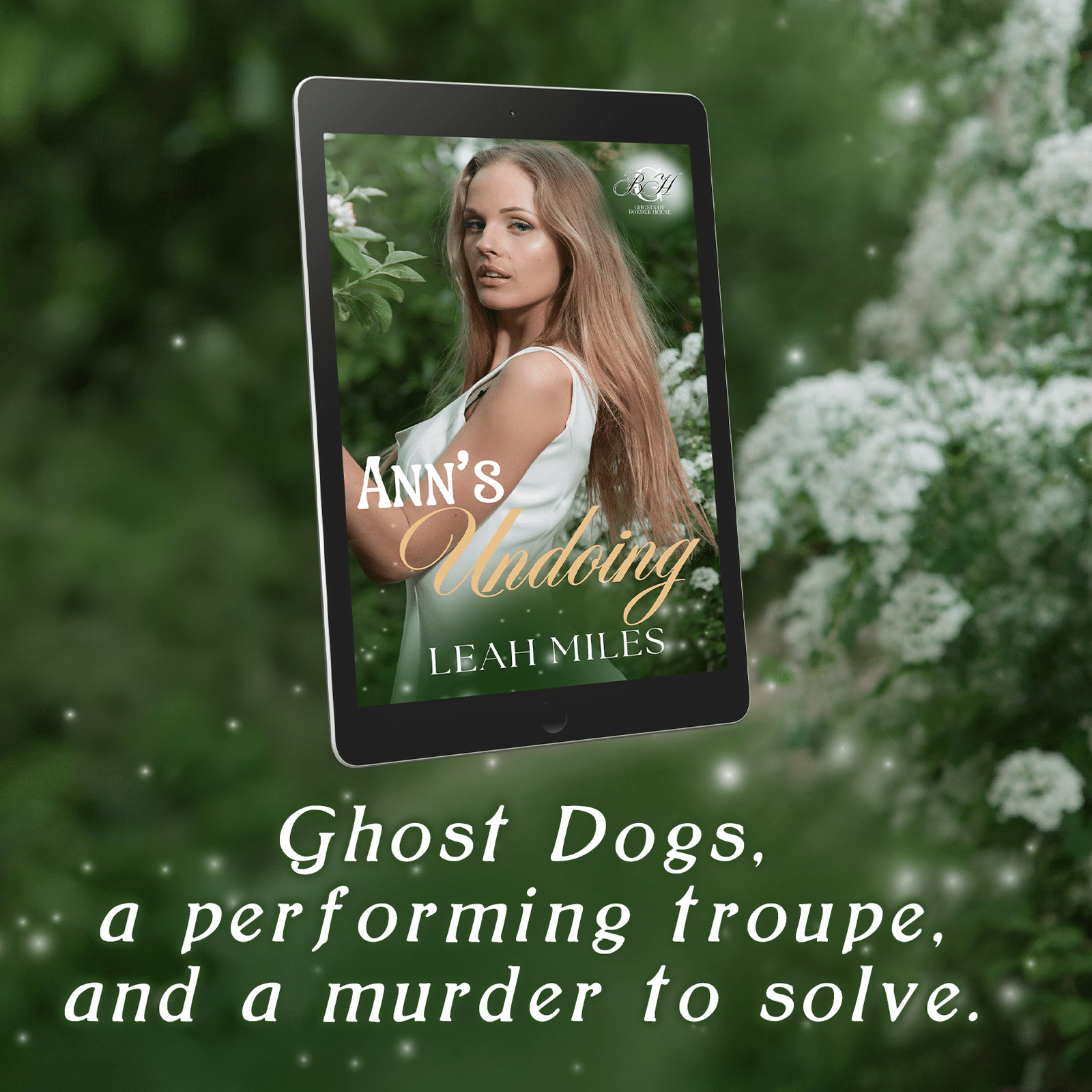
Ghost Dogs, a
performing troupe, and a murder to solve.
Ann Darby was a rising movie star but died alone in a river in 1975. It seems
she’s destined to spend eternity alone at Border House in Scotland. Halloween
is the one night she can be visible to the living, but this year she plans to
skip the party. That is, until a giant Highlander steps out of a green van in
front of the house.
Callum McLeod performs in a small troupe for parties and events, waiting for
his big break. Betrayed by the lover he trusted and fired by the employer he
outperformed, he’s at the end of the road—personally, financially, and
emotionally. His paycheck was supposed to cover rent. Now he’ll be evicted the
moment he gets home.
Then a killer strikes in the maze, and Callum never makes it home at all. The
house ghosts must work together to catch a murderer, and Ann has some hard
choices to make if she wants her future to look different from her past.

Instead of walking
through the hedge, she came around the path, walking slowly and not attempting
to make herself visible, but hoping he’d see her anyway. The two hounds lifted
their heads to watch her approach. Callum hadn’t noticed her as he was intent
on staring at the smartphone in his hands.
“Hello,” Ann said
in a normal voice.
His gaze swung up,
and a wide smile creased his cheeks. She blushed or would have if she could.
“There’s the little roof dove. Whatever were ye doing on the roof tonight?”
She grinned.
“Watching the arrivals to find the most interesting person here.”
He huffed a short
laugh. “I’m not so interesting, but I’d love a friendly chat. My night hasn’t
been the best,” he said, gesturing beside him, to the spot where the great gray
beast lay, his head raised to watch her. “My name’s Callum McLeod. Care to share
yours with me?”
“Ann Darby,” she
licked her lips, suddenly nervous. Maybe she should’ve given him a false name,
but then, she’d been dead half a century. He wouldn’t know her name.
At her hesitation,
he added, “Ye followed me through a maze, Ann Darby. So ye may as well sit with
me. Yer safe with me, lass. Aren’t ye cold?” he asked, reaching toward the
silver pin to unlatch the cape.
She held up her
palm to forestall him. “No. I like this weather. I’m one of those people who
loves the cold.” She eased forward, and the big dog growled a warning.
He patted the
stone ledge beside him, and his hand went right through the growling dog. Ghost
dogs? She had never seen one before or known it was possible. Amazing that none
of the house ghosts had noticed the dogs weren’t living.
“Do you like
dogs?” she asked softly, not wanting to irritate the beast. If Callum could see
her but didn’t see his dogs, what would she look like with them attacking her?
They were both growling, and she caught flashes of sharp white teeth.
Callum’s shoulders
rolled forward. “I love dogs, but I have none. My Irish Wolfhound Fergus passed
last summer, and I haven’t had the heart, or funds, to train another. He was
the best dog.”
She licked her
lips, wondering again why he could see her, but not the animals. “Did you have
more than one dog? With Fergus, I mean?”
He gave her a
quizzical look. “Aye. I had a second dog for a time. Both my boys performed
with me. Brodie was older, and as faithful a friend as a man could want. He
passed a few months before Fergus.”
How sweet that
both his friends had stayed with him. Ann had never had a pet, unless you
counted goldfish. The dogs looked similar, with iron gray fur, but one was
smaller and thinner. “Was Brodie also a wolfhound?”
“Nae. Brodie was a
Scottish Deerhound.” He said the words with great pride. “Hard to find those
dogs. I lucked up on him for certain. Deerhounds are brilliant. Gorgeous too,
but smaller than wolfhounds. Similar to a greyhound, but with nice long fur. I
trained them using Gaelic commands to perform on stage. They were a sight, and
the audiences adored them.”
“Were you in this
same group?”
“Nae,” his lip
curled slightly. “I wasn’t with the Pratt group then. My boys and I made enough
money, just the three of us. Not getting rich, mind you, but I never had a
desire for wealth.”
“How do you say
‘friend’ in Gaelic?”
He gave her a
quizzical look. “Caraid.”
She stayed where
she was and fixed on her best smile. “Would you say it a couple more times so I
can get the pronunciation right?”
“Caraid,
caraid. I’m happy to tell you some other words if you’re wanting to learn
Gaelic.”
It worked. Both
hounds ceased growling, and the bigger one, Fergus, jumped off the ledge to sit
in front of his master. “Caraid,” she said a few times for good measure,
then eased down on the fountain ledge a good three feet away from Callum. If he
touched her, his hand would pass through. Fergus yipped and jumped back up to
lay his giant head in her lap. “Caraid,” she whispered, glancing up to
see if Callum noticed.
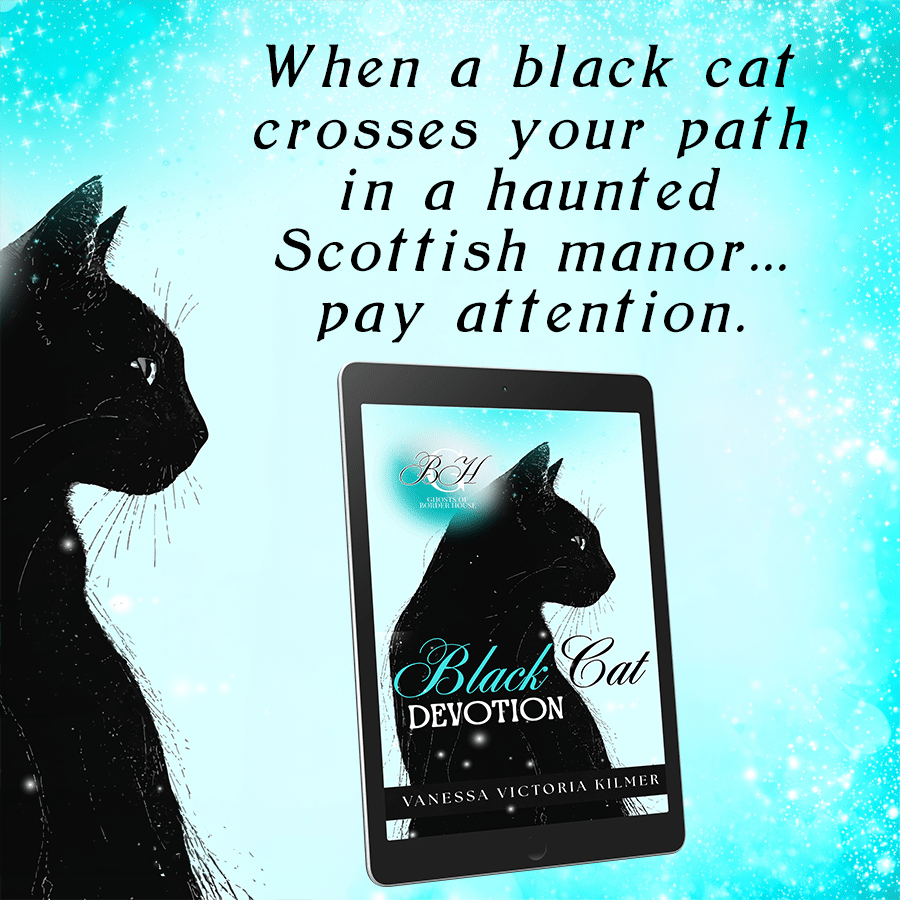
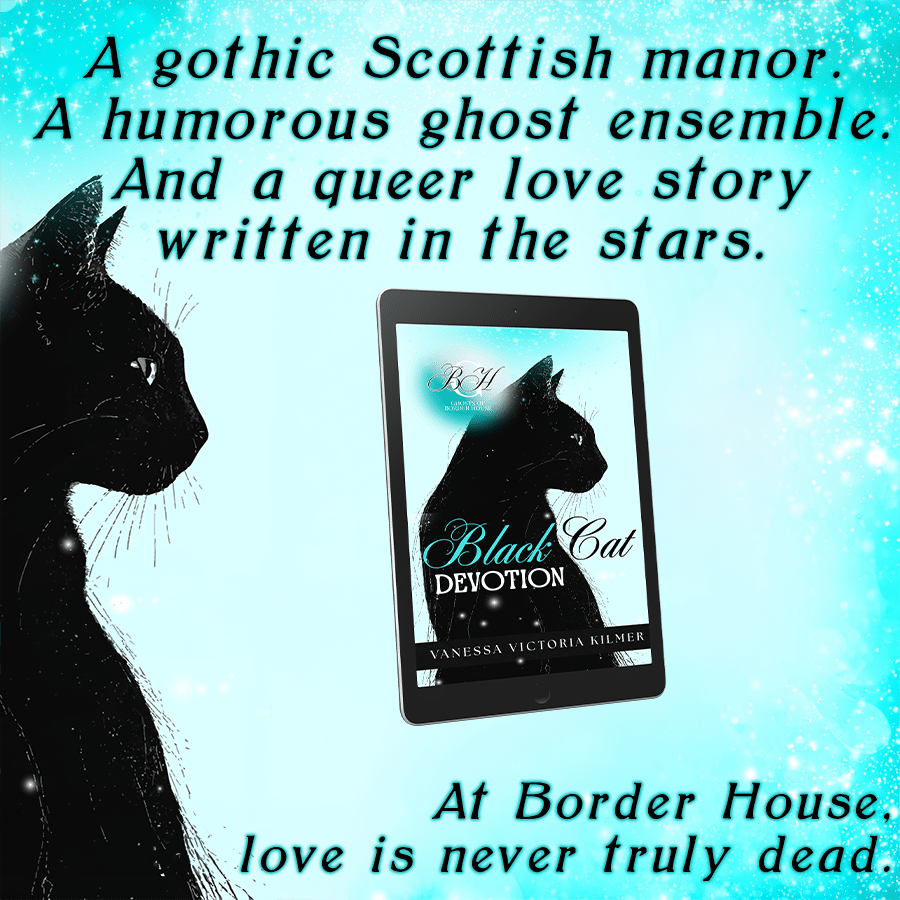
Black Cat Devotion
Ghosts of Border House Book 3
by Vanessa Victoria Kilmer
Genre: Paranormal Ghost Romance
Black cats love
sunshine.
Bubbly but lonely Scottish heiress, Morven Blair, connects
with Black Kat, a cranky internet pixie with a secret identity and a reputation
as a myth buster. Morven asks Black Kat to prove the existence of ghosts and
certify Border House, “the most haunted place in the world.” Black Kat intends
to prove it’s all a con. Opposites do attract, but do they really know love at
all?
I smoothed and adjusted my
tartan stole pinned over my shoulder, the green plaid with blue and red lines
standing out on my black dress. “Except…” I said with a wink. “Border House
really is full of ghosts.”
Sara
Mae taped her temple with a fingertip. “I know that. And you know that. But
will you be able to prove it to her?” She raised her eyebrows. “If she’s really
a she. She might be a fifty-year-old guy.”
We
both laughed.
“Well,
when you get back, I’ll have a house full of guests that you can teach Scottish
history and give Gaelic lessons to while Thomas provides them with period
costumes. Oh, movie sets. I bet we could have movies filmed on the estate.” I
bounce in my chair.
“Finish
your lunch, Morven,” she says automatically. “You need the energy for all your
high plans. You are far too thin. It’s like you are trying to take up as little
space in this world as possible.
I felt
my cheeks heat up. Thank goodness the waiter returned, so I didn’t have to
answer. Except it’s not our waiter. It’s the maître d.
“I beg your pardon, Lady Blair.” He clears his throat
as he hands me my credit card. “Your payment was not authorized. The card was
declined.”
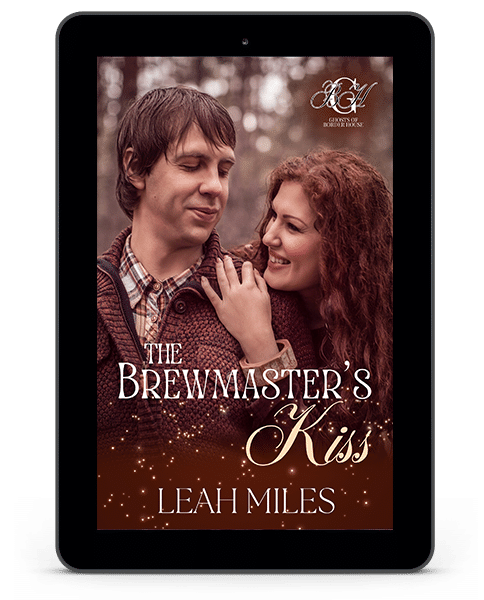
The Brewmaster’s Kiss
Ghosts of Border House Book 2
by Leah Miles
Genre: Paranormal Ghost Romance
After fifty-five years, Nova Guthrie has returned to
Scotland for the annual Halloween Ball at Border House. Or that is her excuse
to return to the home of her youth and bid farewell to memories of her lost
lover.
What she doesn’t know is that Donnal Stuart still haunts the grand mansion,
along with a few other ghostly characters—one of whom will do everything she
can to keep them apart.
This story is about true love and secret ghost powers bundled up in a haunting
tale of second chances.
“C’mere with me, love,” Donnal said, twining their fingers and
tugging her deeper into the garden.
Nova lifted her skirts to avoid tripping as they rushed down the
path. “Where are we going?”
He laughed and didn’t answer. Hope filled her down to her toes.
Would this be the night he proposed? Nova giggled, and her feet skipped over
the grass as he led her to the edge of the orchard.
Today was the anniversary of their first date, and what better
occasion to make their union official than right before the Border House
costume party? She already wore her authentic Guthrie tartan gown, and he was
in his traditional feileadh beag.
She wanted a short engagement—definitely—and to ring in the New
Year as husband and wife. Her mother might balk and try to get her to wait, but
it was her life and her love. The world had changed, even in the last decade,
and women’s options weren’t as limited as they once were. A diamond ring would
be splendid, but Donnal was practical, so she didn’t expect more than a simple
band. It didn’t matter either way, because she cared more about him than any
piece of jewelry.
“We’re here,” he said with a mile-wide smile. He positioned her in
front of him and clasped both her hands tightly. “I’m excited.”
Her heart beat like a caged bird, ready to fly away. “Me too, my
love,” she whispered, gazing into his azure eyes, the color of a clear summer
sky. She was going to spend the rest of her life with this handsome man. Nova
held her breath, waiting for him to pop the question.
His cheeks creased in happy lines, and he leaned down to press his
forehead against hers. “You’re a bonny lass with yer pink cheeks and bright
eyes. I could almost forget why I brought ye here.”
The first hint of confusion caused her to pull back and glance
around. “Who else is here?” she asked, surreptitiously looking to glimpse
whichever one of their friends was hiding to take a photo of the big moment.
“Just us, my love. You’re the first to know.”
“I don’t understand. Donnal, I thought we were coming here to, you
know…” She couldn’t embarrass herself by saying the words.
He wrapped his arms around her and spun them around in a quick
circle. “I would dearly love to tumble in the grass with ye, my darlin’. ‘Tis
too important. Are ye ready?”
Relief washed through her. “I’ve never been more ready. You’re
everything to me.”
“Aye.” He nodded, plucked an apple from the branch over her head,
and extended the red and gold fruit to her. “I’m about to become the most
famous brewmaster in Scotland.”
“That’s an apple,” she said stupidly.
“Look at it! See the color? The red and lighter yellow spots? The
Bloody Ploughman apple is a dark red variety. I spliced it with the yellow-red
James Greive apple almost four years ago.” He whipped out a knife and cut off a
generous slice. “Taste it. The sweet-crisp-tart flavor is extraordinary.
Perfect even, with a hint of—I dinna ken how best to describe it. This apple
will make my brew the greatest ever created.”
Nova’s disappointment was sharp enough to have her gulping for
breath. “No,” she said, fighting tears as she pushed away his hand and stepped
back. “Tell me ye didn’t bring me here only to look at fruit.”
His countenance fell. “Not just any fruit. I’ve waited years for
the trees to produce. You’re the first person I’ve told.”
“You brought me here to show me apples you’ve grown for yer beer
making?”
Donnal ran a hand through his messy curls, tipping his chin to
study her. “Sweetheart, come back to my shed, and I’ll give ye a sample. Tis a
perfect blend of spice with the tiniest effervescent bubbles.”
“Ye promised we would go to the Halloween Ball this year. It’s the
anniversary of our first date.”
“Alright then. I’ll share it with ye another night. Give me an
hour, and I’ll be back to the house for the dancing.”
Her heart ached with self-pity. “No. Tonight, I thought … it doesn’t
matter. I’m through with being the second-best thing in yer life. Find me when
ye decide which is more important, me or your brews.”
“Nova—”
“Mayhap ye should marry the apple tree.” She spun on her heels and
took off at a run lest he see the tears rolling down her cheeks.
* * *
That long-ago night, after her flash of anger, she’d hoped Donnal
would follow her from the garden. He did not, and that exchange was the last
they ever shared. Shortly after nine, the valve on his homemade pressure
fermenting device overloaded and blew apart. A jagged piece of metal lodged in
Donnal’s heart, killing him instantly.
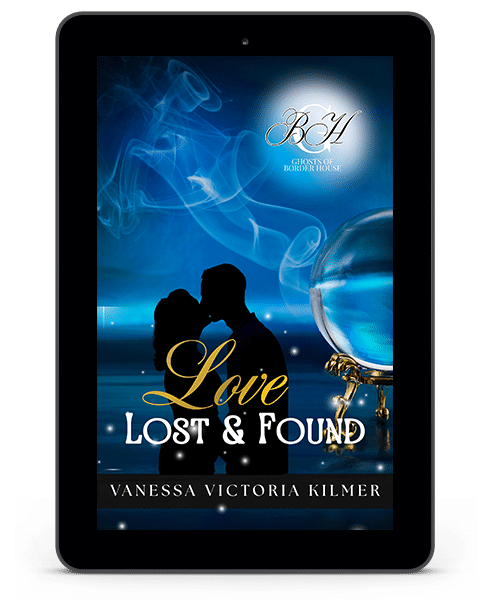
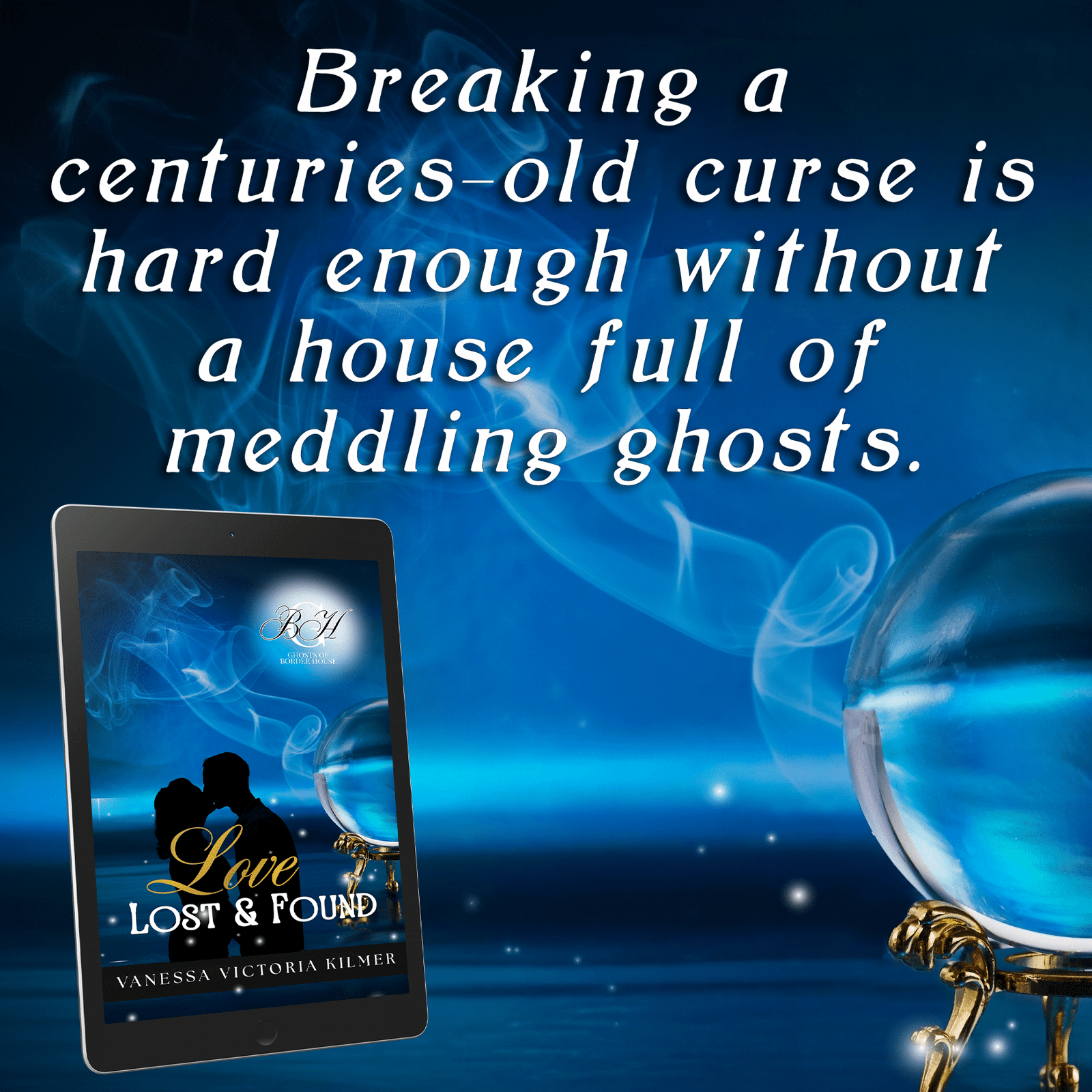
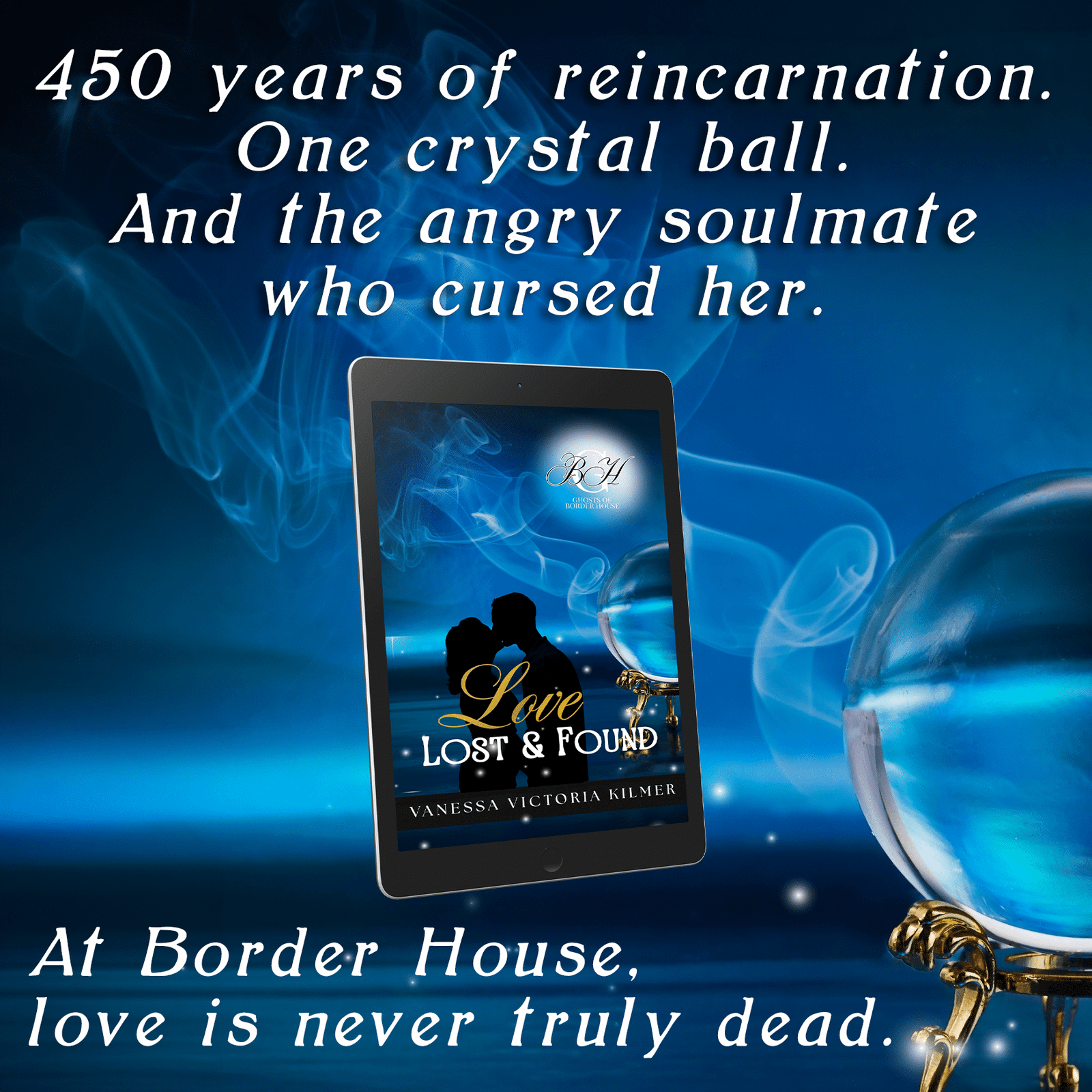
Love Lost & Found
Ghosts of Border House Book 1
by Vanessa Victoria Kilmer
Genre: Paranormal Ghost Romance
2026 National
Excellence in Romance Fiction Award (NERFA) - Romance Novella category
In 1566, Thomas Kincaid is murdered at Border House by agents of the Scottish
King. Thinking himself betrayed by his soulmate, Sara Mae Stuart, Thomas curses
her to a life of reincarnation with his dying breath.
When Sara Mae dies of a broken heart, she is reborn again and again.
After 450 years of reincarnation, Sara Mae returns to Border House to perform a
séance and break her curse. She discovers a host of unsettled spirits, each
harboring their own hidden agendas, and Thomas, lurking inside her crystal
ball.
Can love survive revenge, guilt, and a quirky spiritual divide?
Amazon * * Bookbub * Goodreads
Sara Mae glanced down at her simple black slacks and black silk T-shirt
with the arms of her sweater tied across her chest. “Isn’t it nice enough?”
“The quality is not the issue.” She tucked Sara Mae’s black hair behind
her ears. “You look like a nanny, all prim and proper. You’re even wearing
pearls. You look nothing like a woman who speaks with dead people.”
Heat rushed to Sara Mae’s cheeks. She still couldn’t get used to
Morven’s casual treatment of her and the woman’s genuine affection. She was
part of a long line of the nobility, and Sara Mae, on her fifth reincarnation,
was an orphan who attended university on a scholarship. While she enjoyed their
friendship, she felt uncomfortable, unable to forget her ongoing humble
beginnings.
But here she was, back at Border House. Finally. Thanks to her friend.
“We’ll need to make you look more ‘woo-woo’ for later,” Morven said with
a giggle. “If you don’t have anything that fits the image, I’m sure we can dig
something up in the attics.” She pulled Sara Mae by the hand. “For now, I’ll
take you on a tour of the house. It’s easy for people unfamiliar with it to get
a bit turned around.”
Chuckling inwardly, Sara Mae let her hostess drag her around the
building from the basement cellars and up to the servants’ quarters and attics
under the eaves on the fourth floor. Sara Mae took her time, remembering the
house as it was in her time and how it had changed since then. Electricity sure
made a difference, as did the running water in the bathrooms and toilets. These
were her most favorite changes to the building. The many narrow stairs were the
same, though, and she did not care for them.
As they went along on their tour, Sara Mae kept an eye out for places
where her locket might be hidden. She felt its presence in the house but
couldn’t pinpoint the location. “My locket is here somewhere,” Sara Mae said
under her breath.
Cold and hot spots dotted rooms on each floor, a sure sign of paranormal
activity, and that interfered with her locating spell. She tried to keep in
mind where Thomas might have hidden it after he ripped his gift from her neck
during their fight and last moment together.

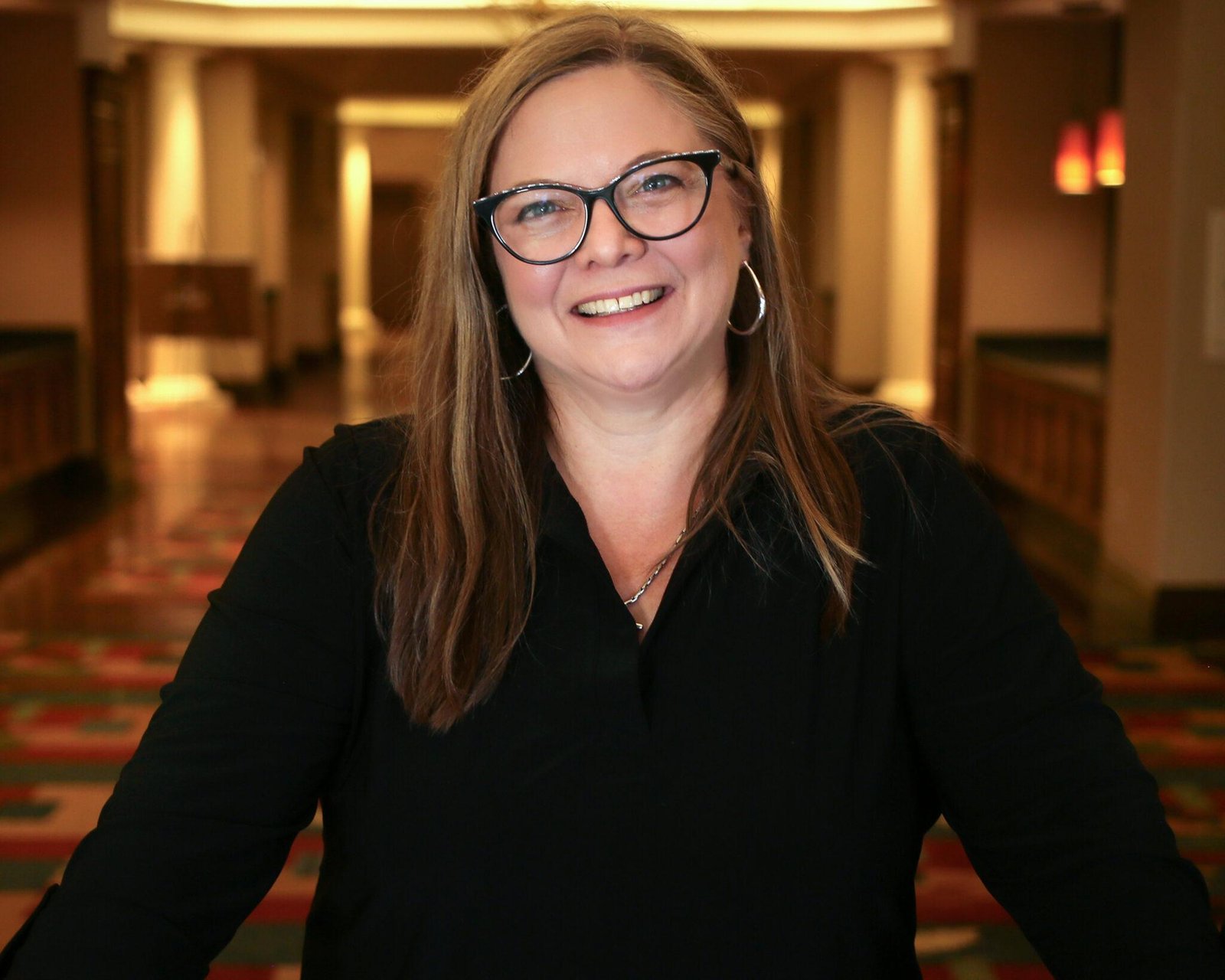
Leah Miles grew
up in Atlanta, Georgia, and planned to have a career as either a television
anchor or a successful author. After getting a bachelor’s degree in English and
communications, she worked at CNN for more than a dozen years in technical news
production. Her second career is managing an insurance agency in rural Georgia,
along with six brand-new Airbnb-style rentals, with her husband. When not
writing insurance or cleaning cabins, she cherishes quality time with her hubby
and their cocker spaniel, Hootie. They have three adult kids—a doctor, a
lawyer, and a journalist. Leah is currently writing a series with military
elements involving take-charge heroes and women who stand up for themselves and
the people they love. For updates, visit leahmilesauthor.com.
Website * Facebook * Instagram * Bookbub * Amazon * Goodreads
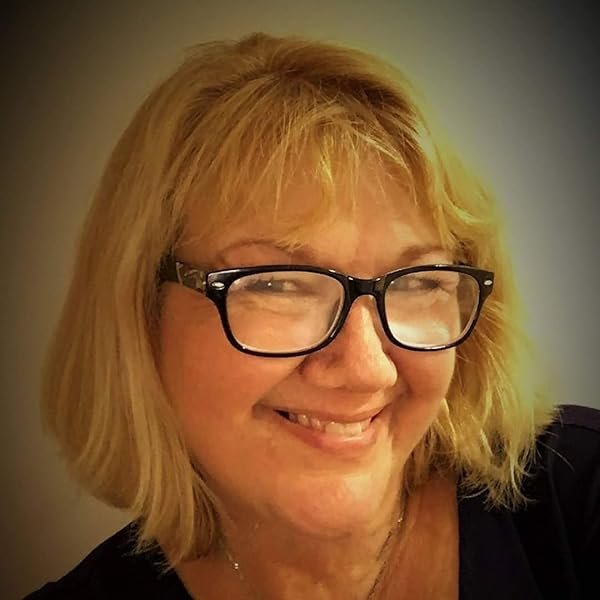
Vanessa Victoria
Kilmer told her first story to an angel who visited her when she was locked
in a dark, medieval attic at the age of four.
She grew up surrounded by fortified castles, primal salt
mines, and the drama of ancient places. Her fantasy fiction teems with murder,
magic, and madness. She explores the abuse inflicted by those closest to us and
the various ways people deal with the damage. Between writing novels, she
blogs, paints, and takes pictures with her white camera named Traitor and
embroiders tapestries.
Website * Facebook * Instagram * Bookbub * Amazon * Goodreads

Follow
the tour HERE for special content and a giveaway!